
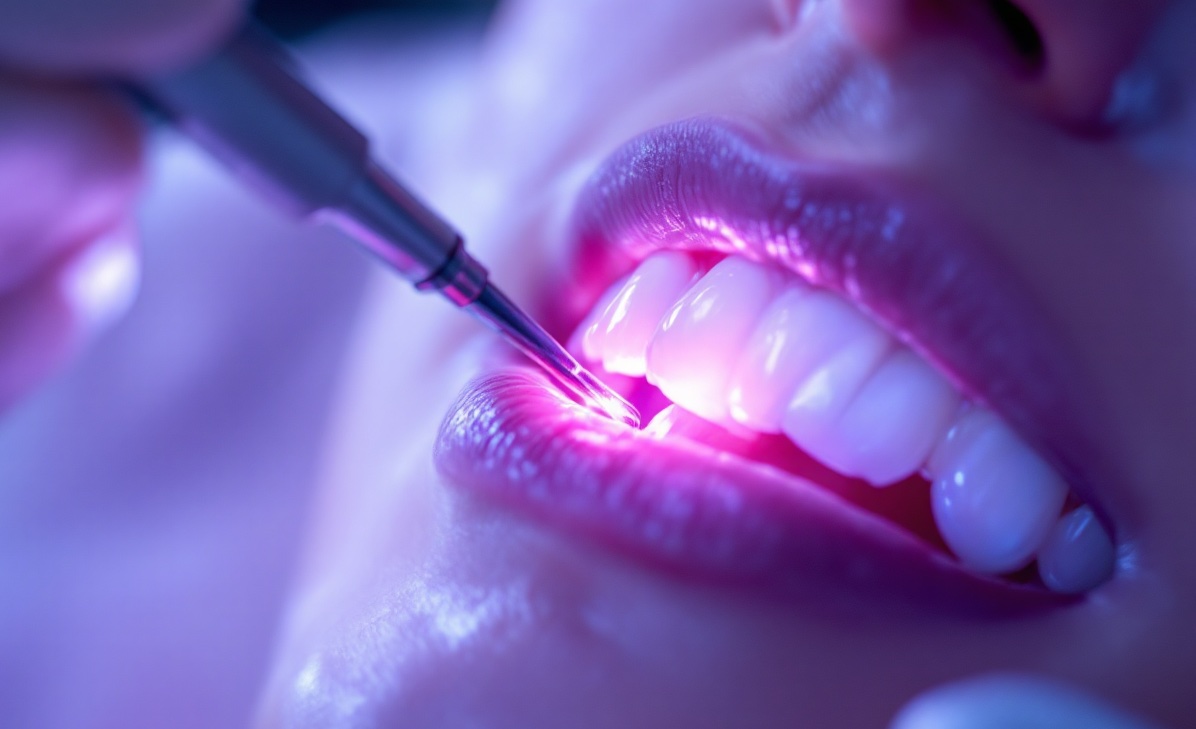
Gum-recession surgery has evolved over the years — from traditional connective tissue grafting to newer, minimally invasive options like the Pinhole Surgical Technique (PST). If you’ve been told you have receding gums, you may be wondering which approach is right for you.
Both traditional grafting and the pinhole method can successfully cover exposed roots, reduce sensitivity, and help protect your teeth. But they work differently and each comes with its own pros, risks, recovery, and cost factors.
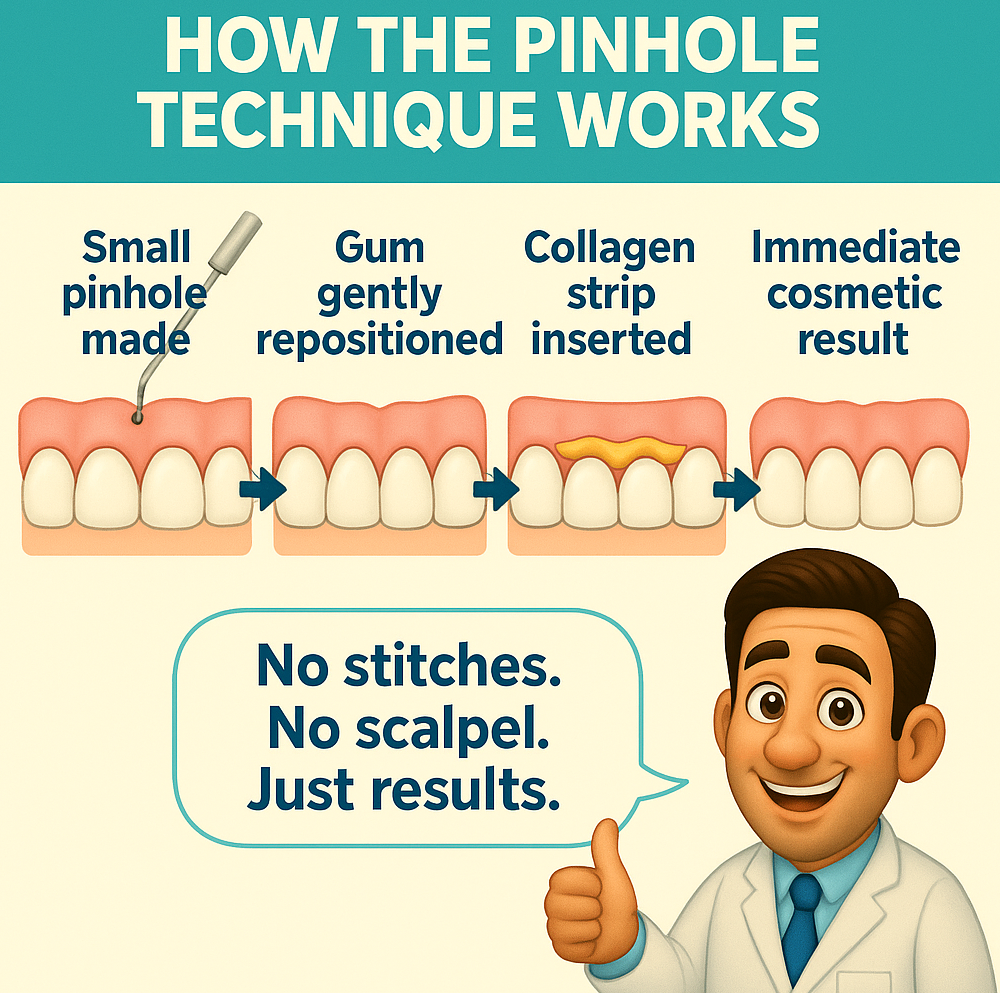
The Pinhole Surgical Technique, developed by Dr. John Chao in 2006, treats gum recession using your own gum tissue — no donor grafting from the palate required. Instead of cutting and stitching in new tissue, this method repositions your existing gums through a tiny pinhole, then holds them in place with collagen strips while they heal.
Here’s how it works:
-
A small pinhole is created in the gum tissue above the recession.
-
Special tools gently loosen and slide your gum tissue back over the exposed root.
-
Collagen is placed through the pinhole to stabilize the gums as they heal.
Benefits some patients like about the pinhole approach:
-
No second surgical site (like the palate)
-
Often no cutting or stitches
-
Multiple teeth can be treated in one visit
-
Immediate cosmetic improvement in many cases
However, it’s important to know that the pinhole technique isn’t always less painful or less expensive than traditional grafting. Whether it’s a good fit depends on how severe your recession is, how much healthy gum you have left, and your dentist’s expertise with each method.
🦷 How Does Traditional Connective Tissue Grafting Compare?
Traditional grafting — often called CTG (connective tissue graft) — has long been the standard for repairing gum recession. In this approach, a small piece of tissue is usually taken from the roof of your mouth or a donor source and stitched over the exposed roots to build up the gumline.
Here’s a quick overview of each:
Traditional Connective Tissue Graft (CTG)
-
Donor tissue is taken from your palate or a tissue bank.
-
A flap is raised around the recession site.
-
The donor tissue is sutured over the exposed root.
-
Healing takes several weeks as the graft integrates.
Pinhole Surgical Technique (PST)
-
A tiny pinhole is made in the gum above the recession.
-
Specialized tools loosen and reposition your gum tissue.
-
Collagen is added to help hold the tissue in place.
-
The pinhole often heals without stitches as the gums stabilize.
🦷 Which One Is Right for You?
Both techniques have high success rates for covering roots and improving gum health. The best choice depends on your individual case, the amount of healthy gum tissue, and your dentist’s recommendation.
No matter which option you choose, early treatment is key to preventing further recession and protecting your smile for the long term.
💢 Is Pinhole Gum Surgery Painful?
This is one of the most common questions I get.
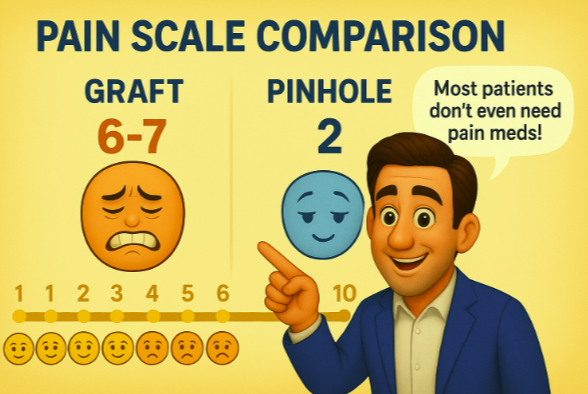
Most patients report pain as 2/10 or less, describing it as “mild tenderness” rather than true pain. It’s much gentler than traditional grafting, which can be 6–7/10 on the pain scale — especially when tissue is taken from the roof of the mouth.
You’ll be numbed with local anesthetic (just like for a dental filling), and most people don’t even need prescription pain meds afterwards.
⏱️ Recovery Time & Downtime After Receding Gum Repair
Compared to gum grafting, the recovery from pinhole gum surgery is remarkably easy.
- Back to work? Usually next day
- Soft diet? 24–48 hours
- Feeling healed? Typically within 1–2 weeks
- Physical activity? Light activity same day; full activity after 3–5 days
There are no open wounds, stitches, or large incisions to protect — so you bounce back quickly.
- Quick recovery
- Minimal swelling or bruising
- Very low risk of complications
📊 Success Rates of the Pinhole Technique
This minimally invasive gum treatment is supported by long-term data:
- 90% or more root coverage at 12 months
- 96.7% success rate in some case reports
- A 14.5-year retrospective study showed 77.9% complete coverage and 86.6% defect correction
When performed by a certified specialist, the pinhole technique can be just as effective as traditional gum grafting — or better.
💰 Cost of Pinhole Surgical Technique in Boston
You’ll likely find prices between:
- $1,000–$3,000 per tooth for the Pinhole Technique
- $600–$1,200 per tooth for traditional grafts
While Pinhole may cost more upfront, it can be more cost-effective when you consider:
- Fewer follow-ups
- No second surgical site
- Less time off work
- Can treat multiple areas in one visit
Ask your provider for a customized estimate.
📍 Located near Boston? Schedule your consultation with Dr. Sutera.
🔬 Why Collagen Is Key to Gum Recession Fixes
Collagen strips placed under the gum help stabilize the repositioned tissue and support healing. Think of them as scaffolding — they dissolve over time, but during the critical early phase, they keep your gum tissue exactly where it needs to be.
This is what makes the results of this no graft gum treatment so consistent and immediate.
Am I a Good Candidate for Pinhole Gum Surgery?
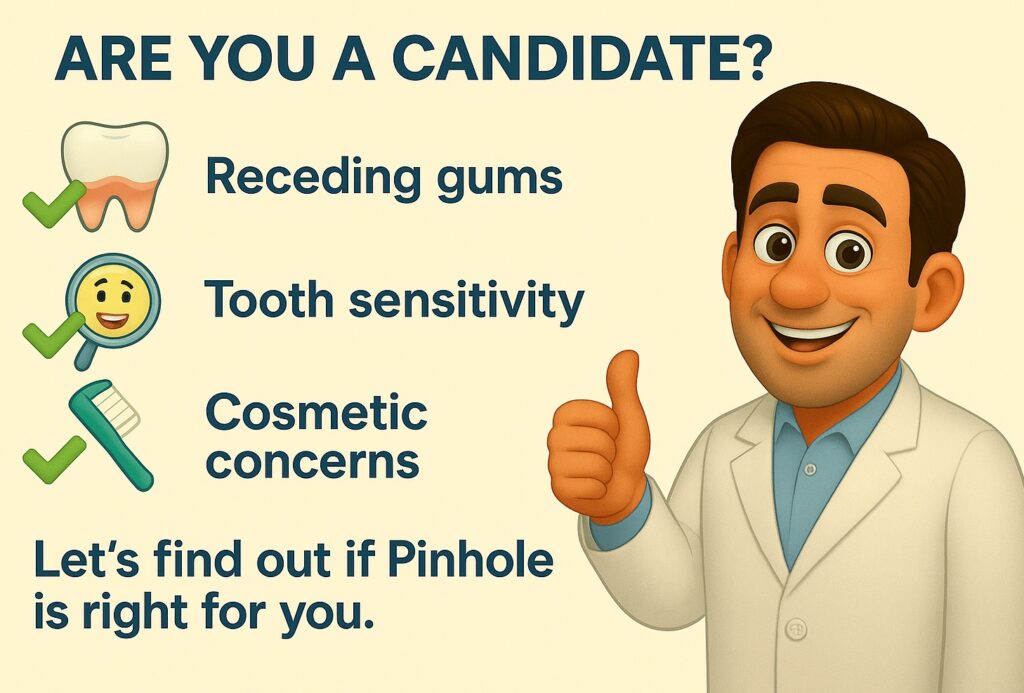
The pinhole technique works best if you:
- Have mild to moderate gum recession
- Are experiencing sensitivity from exposed roots
- Want a cosmetic improvement
- Have enough remaining gum tissue to reposition
It’s not ideal for:
- Active periodontal disease
- Very thin gum tissue
Pinhole Technique vs Traditional Gum Grafts
| Feature | Pinhole Gum Surgery | Traditional Grafting |
|---|---|---|
| Invasiveness | Minimally invasive | Surgical with sutures |
| Pain level | 2/10 | 6–7/10 |
| Recovery | 1–2 days | 1–2 weeks |
| Donor site | None | Often palate |
| Cost | $1,000–$3,000/tooth | $600–$1,200/tooth |
| Cosmetic results | Immediate | Delayed |
| Multiple teeth? | Yes, one session | Often limited |
Frequently Asked Questions About Gum Recession Repair
💬 Is the procedure really painless?
Most patients describe the discomfort as mild tenderness — far more comfortable than traditional grafting.
💬 When will I see results?
Immediately. Your gums will look fuller and more even before you leave the office.
💬 Can this treat multiple teeth at once?
Yes. We often treat 4–6 teeth in one visit with pinhole gum surgery.
💬 Is it covered by insurance?
Some PPO plans may cover part of the cost, especially if root sensitivity is involved.
💬 How long do results last?
Years, especially with proper brushing, flossing, and dental visits.
💬 What causes gum recession?
Brushing too hard, grinding, genetics, gum disease, or orthodontic movement are common causes.
🧼 Aftercare for Pinhole Surgical Technique
To get the best results from your receding gum repair:
- Avoid brushing or flossing treated areas for 24–48 hours
- Follow a soft diet for two days
- Use a gentle rinse if prescribed
- Don’t floss treated areas until cleared by your provider
- Return for regular dental cleanings and checkups
🏁 Final Thoughts: Should You Consider Pinhole Gum Surgery?
If you want a modern, non-surgical solution for gum recession, the Pinhole Surgical Technique is a breakthrough in dental care.
It’s quick, gentle, and backed by long-term results — especially in the hands of a trained expert.
📍 Located near Boston? Schedule an appointment with Dr. Sutera to explore your options
